

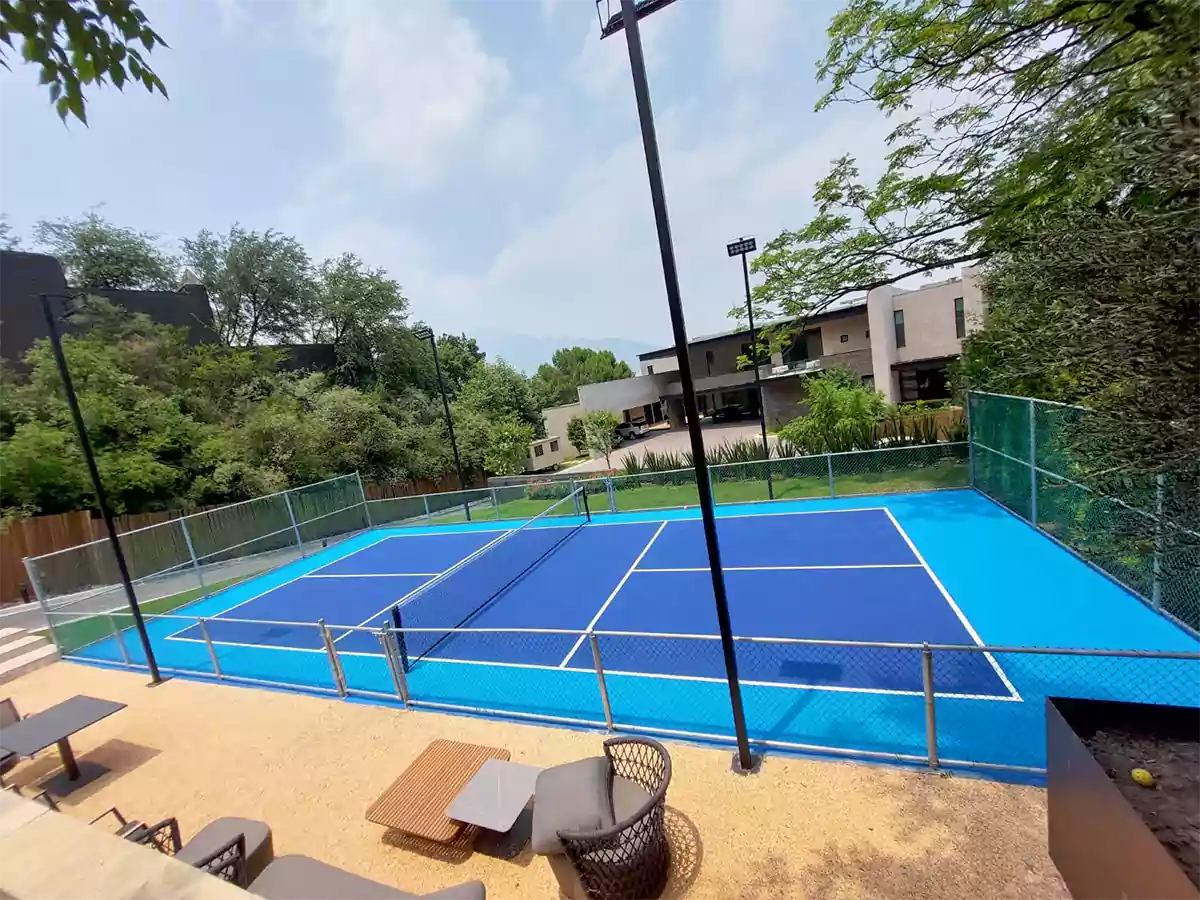

Pickleball Courts Flooring: How to Choose the Right Surface
Pickleball is one of the fastest-growing sports in the world. As more players build backyard, community, school, and commercial courts, choosing the right pickleball courts flooring has become increasingly important.
A good pickleball court surface should provide reliable ball bounce, player comfort, traction, durability, and easy maintenance. At the same time, outdoor courts need to handle sunlight, rain, temperature changes, and frequent use.
For these reasons, PP interlocking flooring has become a practical option for many outdoor pickleball courts.
What Is Pickleball Courts Flooring?
Pickleball courts flooring refers to the surface system installed on a pickleball court. It directly affects player movement, comfort, safety, and court maintenance.
Traditional pickleball courts often use concrete or asphalt with a coating system. However, modular sports flooring provides another solution. These systems use individual tiles that connect together to form a complete playing surface.
Among modular options, polypropylene (PP) interlocking flooring is widely used for outdoor sports applications.
PP is a lightweight and durable thermoplastic material. With a suitable tile structure and surface texture, PP flooring can provide a stable surface for recreational and competitive pickleball applications.
Why Is Flooring Important for Pickleball Courts?
Players move quickly during a pickleball game. They need to stop, start, turn, and move from side to side repeatedly.
Therefore, court flooring should provide:
- Good traction
- Stable footing
- Consistent surface performance
- Comfortable movement
- Good impact resistance
- Outdoor weather resistance
- Easy maintenance
In addition, the flooring should remain stable during daily use. A well-designed surface can also help reduce maintenance work and extend the usable life of the court.
Benefits of PP Interlocking Flooring for Pickleball Courts
1. Easy Installation
One of the biggest advantages of modular pickleball flooring is its simple installation process.
PP tiles connect through an interlocking system. In many applications, installers can place the tiles directly over a suitable hard and level base.
As a result, installation can be faster than constructing a completely new permanent court surface.
The modular design also makes the flooring easier to remove or replace when necessary.
2. Excellent Durability
Outdoor pickleball courts receive repeated foot traffic and mechanical stress.
PP flooring offers good impact resistance and structural strength. It can handle regular recreational use while maintaining its basic shape and performance.
With proper product design and installation, PP interlocking flooring can provide a long-lasting surface for outdoor courts.
3. Suitable for Outdoor Use
Outdoor pickleball courts are exposed to changing weather conditions.
Rain, sunlight, humidity, and temperature changes can affect traditional flooring systems. PP sports flooring has low water absorption and does not behave like wood-based materials when exposed to moisture.
Furthermore, UV stabilizers can be incorporated into PP flooring to improve resistance to long-term sunlight exposure.
For outdoor applications, however, the actual performance depends on the PP formulation, UV protection, tile structure, installation conditions, and local climate.
4. Effective Water Drainage
Water drainage is another important consideration for outdoor pickleball courts.
Modular sports tiles can be designed with drainage openings or a raised structure. These features allow water to move through the flooring and away from the playing surface.
Consequently, rainwater can drain more efficiently after wet weather.
Good drainage can also help reduce standing water and make the court easier to maintain.
5. Comfortable Playing Surface
Pickleball involves frequent lateral movement. Therefore, players need a surface that provides reliable traction without feeling excessively hard or uncomfortable.
The tile structure can provide a degree of surface flexibility compared with conventional hard concrete surfaces.
For projects that require greater elasticity and shock absorption, specialized materials such as TPE can also be considered.
6. Easy Maintenance
Another benefit of PP interlocking flooring is its relatively simple maintenance.
Routine cleaning usually involves:
- Removing leaves and debris
- Sweeping the court
- Washing the surface with water
- Cleaning stains when necessary
- Checking the interlocking connections
Because individual tiles can be removed, damaged sections can also be replaced without rebuilding the entire court.
PP Flooring vs. Concrete for Pickleball Courts
Both concrete and PP modular flooring can be used for pickleball courts, but they provide different benefits.
| Feature | PP Interlocking Flooring | Concrete |
|---|---|---|
| Installation | Fast modular installation | More construction work |
| Maintenance | Easy | Generally easy |
| Tile replacement | Individual tiles can be replaced | Repairs may require patching |
| Water drainage | Can use drainage openings | Requires proper slope and drainage |
| Portability | Modular and removable | Permanent |
| Surface comfort | More flexible structure | Hard surface |
| Outdoor applications | Suitable | Suitable |
| Customization | Multiple colors and patterns | Usually coating-based |
The best choice depends on the project budget, court location, expected usage, base condition, and performance requirements.
What Should You Consider When Choosing Pickleball Courts Flooring?
Before selecting a flooring system, consider several important factors.
Court Base
The existing surface should be stable, level, and suitable for the selected flooring system.
A modular floor does not eliminate the need for a proper foundation. An uneven or unstable base can affect the final court surface.
Drainage
For outdoor courts, drainage should be considered during the design stage.
The court base and flooring system should work together to prevent excessive water accumulation.
Surface Traction
Players need sufficient grip during quick movements. However, the surface should not be excessively abrasive.
Choose a flooring system designed specifically for sports applications rather than general-purpose plastic tiles.
UV Resistance
If the court will remain outdoors, UV protection is important.
Ask the flooring manufacturer about UV stabilization, outdoor testing, and expected performance under prolonged sunlight exposure.
Installation Method
Interlocking systems should connect securely and maintain a stable surface during play.
A simple installation system can also reduce labor costs and make future maintenance easier.
Color and Court Design
Pickleball courts can use different color combinations to create clear playing zones.
PP tiles are available in a variety of colors. This allows manufacturers and contractors to create attractive court designs without relying entirely on surface paint.
How to Install PP Pickleball Courts Flooring
Although installation methods vary between products, a typical process includes the following steps.
Step 1: Prepare the Base
Make sure the base is clean, stable, and level. Remove debris and repair major surface defects before installation.
Step 2: Plan the Layout
Measure the court and determine the tile layout before connecting the flooring.
Planning the layout helps reduce unnecessary cutting and material waste.
Step 3: Install the Tiles
Start from one corner and connect the PP tiles using the interlocking system.
Continue across the court while checking alignment regularly.
Step 4: Install Edge Components
Depending on the product design, edge ramps or finishing components may be installed around the perimeter.
These components can provide a cleaner transition between the court and surrounding areas.
Step 5: Add Court Lines
Court lines can be integrated into the flooring design or added using a suitable sports marking system.
Make sure the lines match the required pickleball court dimensions.
Step 6: Inspect the Court
Finally, inspect the entire surface. Check the connections, edges, surface alignment, and drainage.
A properly installed floor should provide a stable and consistent playing area.
Where Can PP Pickleball Flooring Be Used?
PP interlocking flooring can be used for different types of pickleball facilities, including:
- Backyard pickleball courts
- Community sports centers
- School sports facilities
- Recreation centers
- Residential developments
- Hotels and resorts
- Multi-sport courts
- Temporary sports events
Because the tiles are modular, they can be particularly useful for projects that require flexible installation or future replacement.
How to Maintain Pickleball Courts Flooring
Regular maintenance helps keep the court clean and playable.
First, remove leaves, dirt, and other debris regularly. Next, wash the surface with clean water when needed.
For stubborn stains, use a mild cleaning solution recommended by the flooring manufacturer. Avoid harsh chemicals that could damage the surface.
Also, inspect the interlocking connections periodically. If a tile becomes damaged, replace the affected section instead of removing the entire court.
Why Choose PP Interlocking Flooring for Your Pickleball Court?
Choosing the right pickleball courts flooring can improve the usability, appearance, and maintenance of an outdoor court.
PP interlocking flooring offers several practical advantages:
- Durable PP material
- Modular interlocking design
- Easy installation
- Good impact resistance
- Low water absorption
- Optional drainage structure
- UV-resistant formulations available
- Multiple color options
- Easy tile replacement
- Suitable for outdoor sports applications
For homeowners, sports facilities, contractors, and distributors, PP modular flooring provides a flexible alternative to traditional court surfaces.
Conclusion
The right pickleball courts flooring should balance durability, traction, comfort, drainage, installation, and maintenance.
While concrete and coated surfaces remain common choices, PP interlocking sports flooring offers a modular solution for outdoor pickleball courts. Its interlocking design makes installation and replacement convenient, while its lightweight and durable PP construction makes it suitable for many recreational sports applications.
When selecting a pickleball flooring system, always consider the court base, drainage, UV protection, surface traction, installation method, and expected level of use.
With the right flooring system and proper installation, you can create a durable, attractive, and easy-to-maintain pickleball court for years of play.