

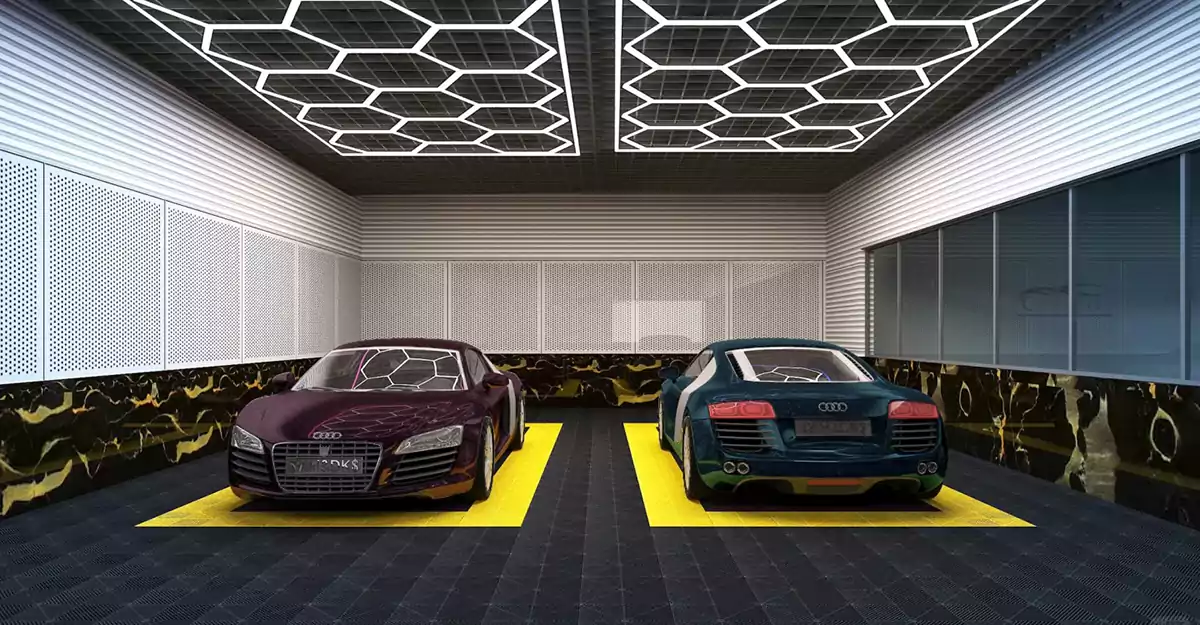

Garage floor tiles are becoming a popular alternative to traditional concrete flooring because they offer durability, easy installation, and excellent protection. With modular interlocking designs, garage floor tiles provide a practical solution for residential and commercial garage applications.
What Are Garage Floor Tiles?
Garage floor tiles are modular flooring panels designed to cover and protect garage surfaces. Unlike traditional flooring materials that require permanent installation, many garage tiles feature an interlocking system that allows quick installation without glue or complicated tools.
Common materials include:
- PP (Polypropylene)
- TPE (Thermoplastic Elastomer)
- PVC materials
High-quality garage floor are designed to withstand heavy loads, vehicle traffic, chemicals, and daily wear.
They are commonly used for:
- Home garages
- Automotive workshops
- Car showrooms
- Storage rooms
- Home gyms
- Commercial workspaces
Benefits of Garage Floor
1. Easy Installation Without Professional Help
One of the biggest advantages of garage floor tiles is their simple installation process.
Interlocking garage tiles can be connected directly on existing surfaces without:
- Glue
- Nails
- Cement
- Special installation equipment
Benefits include:
- Fast installation
- Lower labor costs
- DIY-friendly design
- Easy replacement and adjustment
This makes garage floor tiles an ideal choice for homeowners who want to upgrade their garage quickly.
2. Strong Durability and Load Capacity
Garages require flooring that can handle heavy use.
High-quality garage floor provide excellent resistance against:
- Vehicle weight
- Tool cabinets
- Heavy equipment
- Daily impact
The strong modular structure helps maintain long-term performance even in demanding environments.
3. Protects Concrete Garage Floors
Concrete floors can develop cracks, stains, and surface damage over time.
Garage floor tiles create a protective layer that helps prevent:
- Oil stains
- Chemical damage
- Scratches
- Surface wear
They help extend the service life of the original garage floor.
4. Water Drainage and Moisture Control
Many garage floor feature a raised or perforated design that improves drainage.
Advantages include:
- Faster water flow
- Better air circulation
- Reduced moisture buildup
- Easier cleaning after spills
This is especially useful for garages located in humid or rainy areas.
5. Anti-Slip Surface for Better Safety
Garage environments may have water, oil, or dust that can create slippery conditions.
Non-slip garage floor provide:
- Better traction
- Safer walking areas
- Improved working comfort
The textured surface helps create a safer garage environment for daily activities.
6. Low Maintenance and Easy Cleaning
Garage floor require minimal maintenance.
Regular care includes:
- Sweeping dust and debris
- Washing with water
- Removing oil or chemical stains
If a tile is damaged, only the affected piece needs to be replaced instead of repairing the entire floor.
Types of Garage Floor
Interlocking Garage Floor
Interlocking tiles are among the most popular garage flooring options.
Features:
- Simple installation
- Removable design
- Flexible layout
- Reusable structure
They are suitable for both residential and commercial garages.
Raised Garage Floor
Raised garage tiles create a small gap between the tile surface and the original floor.
Benefits:
- Improved drainage
- Better ventilation
- Moisture protection
They are ideal for areas exposed to water or frequent cleaning.
Anti-Slip Garage Floor
Anti-slip tiles are designed with textured surfaces to improve safety.
They are suitable for:
- Workshops
- Vehicle maintenance areas
- Home gyms
How to Install Garage Floor
Installing garage floor tiles is simple and efficient.
Step 1: Prepare the Garage Floor
Before installation:
- Clean the surface
- Remove dust and debris
- Ensure the floor is relatively flat
A clean base helps improve installation quality.
Step 2: Plan the Layout
Measure the garage area and plan the tile arrangement.
Consider:
- Parking spaces
- Working areas
- Storage zones
- Edge finishing
Step 3: Install the Tiles
Start from one corner and connect the tiles row by row.
The interlocking system securely joins the tiles together without permanent fixing.
Step 4: Finish the Edges
Add edge pieces or ramps if needed for a smoother transition.
Garage Floor Tiles vs Concrete Flooring
| Feature | Garage Floor Tiles | Concrete Flooring |
|---|---|---|
| Installation | Fast and simple | Requires construction work |
| Maintenance | Easy | More difficult |
| Replacement | Individual tiles | Full repair |
| Comfort | Better | Hard surface |
| Protection | High | Limited |
| Design Options | Multiple styles | Limited |
Garage floor tiles offer more flexibility and convenience compared with traditional concrete surfaces.
How to Choose the Best Garage Floor ?
When selecting garage flooring, consider the following factors:
Material Quality
Choose durable materials such as PP or TPE for:
- Better impact resistance
- Long service life
- Stable performance
Load-Bearing Capacity
Make sure the tiles can support:
- Cars
- Motorcycles
- Workshop equipment
Surface Performance
Look for features such as:
- Anti-slip texture
- Easy cleaning surface
- Wear resistance
Installation Design
A reliable interlocking system ensures:
- Easy installation
- Stable connection
- Simple replacement
Applications of Garage Floor
Garage floor tiles are suitable for many environments:
Residential Garages
Improve appearance and create a cleaner parking space.
Automotive Workshops
Provide a durable surface for vehicle maintenance.
Home Gyms
Offer a comfortable and safe workout area.
Commercial Spaces
Support heavy-duty applications with easy maintenance.
Conclusion
Garage floor tiles provide a durable, flexible, and cost-effective flooring solution for modern garages. With easy installation, strong load capacity, anti-slip performance, and low maintenance requirements, interlocking garage tiles are an excellent alternative to traditional concrete floors.
Whether for a home garage, workshop, or commercial space, high-quality garage floor tiles can help create a safer, cleaner, and more functional environment.